


Commitments
Policies & Guidelines
Commitment P&G 3:
Workplace accommodation and flexibility
Employers commit to ensuring all employees have the support and flexibility needed to do their work successfully, including accommodations related to scheduling, remote work, ergonomic workstations, assistive technology, and other workplace supports, in accordance with the Duty to Accommodate.

Employer Actions
Organizations should implement accommodation practices that are fair, accessible, and responsive to employee needs. To fulfill this commitment, organizations are encouraged to:
Follow guidance from the New Brunswick Human Rights Commission regarding the Duty to Accommodate
Focus accommodation discussions on functional workplace needs, rather than requiring disclosure of medical diagnoses or unnecessary personal information
Use collaborative processes to identify practical workplace accommodation solutions
Provide clear processes and documentation for requesting and implementing workplace accommodations
Train managers and supervisors to respond respectfully and consistently to accommodation requests
Review accommodation practices regularly to ensure they remain inclusive, accessible, and aligned with legal obligations
Evidence Requirements
To complete this commitment, organizations are asked to:
Review or develop workplace accommodation processes that support accessibility, flexibility, and equitable participation
Implement at least two accommodation or workplace flexibility practices, such as:
providing flexible scheduling options where operationally possible
offering remote or hybrid work arrangements where appropriate
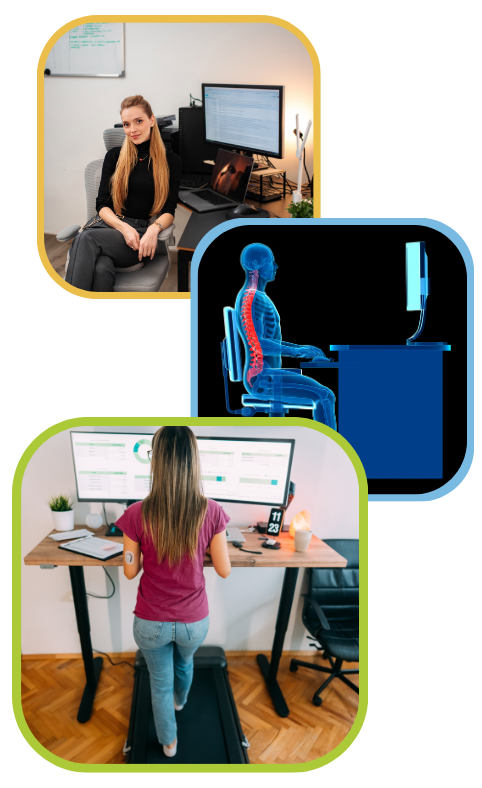
providing ergonomic or accessibility-related workplace supports
using collaborative accommodation planning processes
providing clear accommodation request procedures or documentation
training managers or supervisors on respectful accommodation practices
Submit a short reflection describing actions taken and future opportunities for improvement
Evidence may include:
Accommodation policies or procedures
Accommodation request forms or guidance documents
Flexible work or remote work policies
Training materials, meeting notes, or communication materials
Reflection summary
Impact
Workplace accommodation is key to building inclusive and equitable workplaces, as employees may need adjustments for a variety of reasons. Clear and consistent accommodation practices help organizations respond fairly, reduce barriers, and support well-being, engagement, and retention. This commitment ensures employees have the support they need to work effectively, fostering a workplace that respects both individual needs and organizational requirements.
*Keep scrolling for Resources & Supports to assist in implementation of this commitment

Resources & Support
Accommodation & Human Rights Guidance
Workplace Accessibility & Ergonomic Supports
Job Accommodation Network (JAN) - US-based, practical accommodation database
Workplace Accessibility & Ergonomic Supports

Have Questions?
We're here to help. Whether you have questions about participating in the Charter, selecting commitments, or navigating the recognition process, we'd be happy to connect.